CNBC’s Inside India newsletter: From Shein to iPhones: India’s manufacturing moment is here
CNBC
By Spriha Srivastava
Jun 12 2025
The big story
It’s been a packed week for news, but one story that really stood out was Shein’s India pivot.
You’ve probably heard of Shein; if not, just ask your delivery driver. They’ll give you the full rundown. The fast-fashion giant that keeps Gen Z and millennials endlessly scrolling for things they don’t really need is now planning to ramp up manufacturing in India, according to Reuters.
So, why the shift? In a word: strategy.
As the U.S.-China trade war lingers and supply chain vulnerabilities come under the spotlight, global companies are redrawing their production maps — and many have a pin in India.
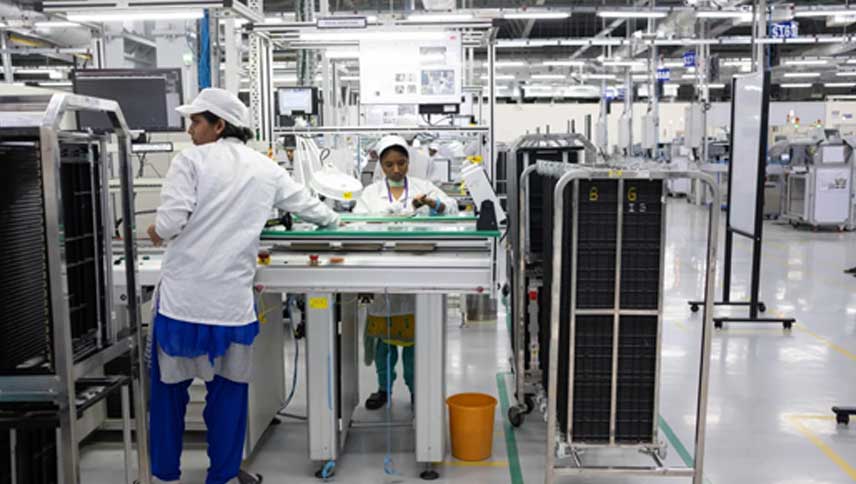
But let’s be clear: this isn’t just a one-off fast fashion headline. It’s part of something bigger. What we’re seeing is a slow but steady recalibration. Companies across industries — from smartphones to semiconductors to aerospace — are quietly reassessing where and how they build things.
And increasingly, they’re looking beyond China.
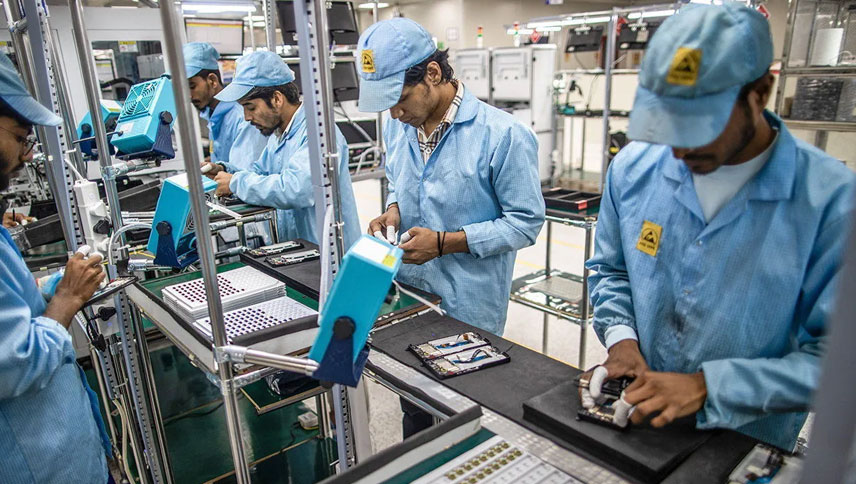
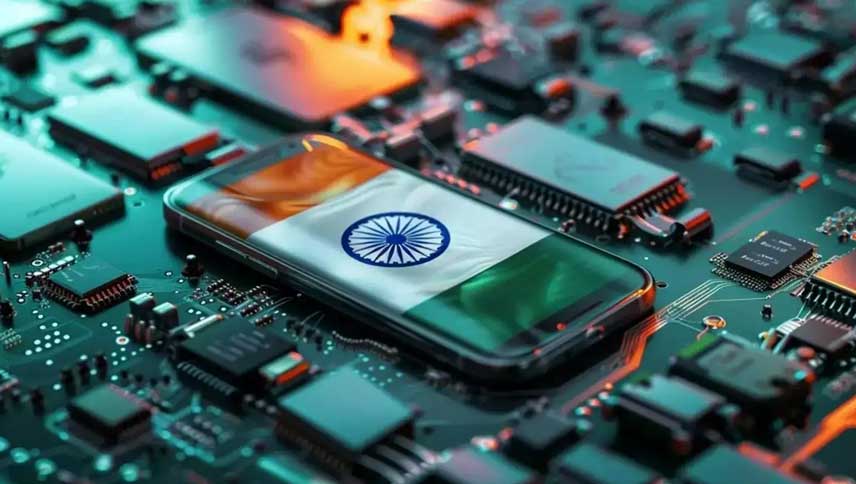
Take Apple. Just last month, Foxconn committed $1.5 billion to expand its iPhone facility in Tamil Nadu. That’s a hefty signal of confidence. Right now, about 18% of all iPhones are made in India — a number that was in the low single digits just a few years ago. According to analysts, that could rise to 25% by 2027. In terms of exports, India shipped $24.14 billion worth of smartphones in 2024-25, marking a 55% increase from the previous year.
Google is making similar moves. The company has announced it will start assembling Pixel smartphones in India, partnering with Dixon Technologies. The hope is to double hardware revenue in the region — and get closer to one of the fastest-growing smartphone markets in the world.
But the trend doesn’t stop with consumer tech.
Vietnamese electric vehicle maker VinFast is building a $2 billion plant in Tamil Nadu. The goal? To turn India into an export hub for its cars. Aerospace giants like Airbus and Pratt & Whitney are also sourcing more components from Indian suppliers. According to data from India’s Ministry of Commerce, aerospace exports rose 38% year-on-year in 2023-2024.
So no — this isn’t just about Shein. It’s about a broader realignment across sectors, driven by a mix of geopolitics, economics, and strategy.
Here’s the backdrop: the U.S.-China trade relationship remains tense. Tariffs have persisted through multiple administrations. Add to that growing scrutiny over data privacy, national security, and tech transfers — and you have a complex equation that global businesses are increasingly looking to solve.
The answer for some is to spread their bets.
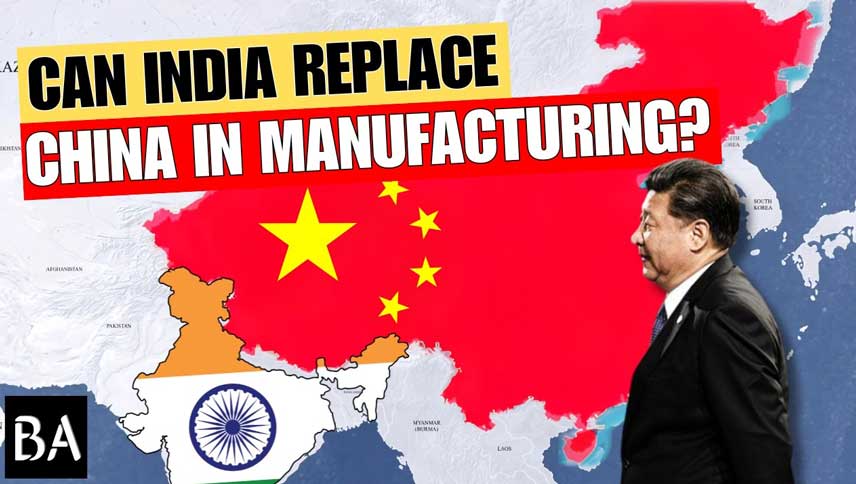
That’s where India enters the frame: not necessarily as the replacement for China, but as an alternative. With its large, young labor force, and a government that’s offering manufacturing incentives like the Production-Linked Incentive (PLI) scheme, India is pitching itself as an appealing choice for companies looking to diversify.
The PLI scheme alone, launched in 2020, covers more than a dozen sectors, including electronics, pharmaceuticals, solar modules, and textiles. According to government figures, over $33 billion in committed investment has been tracked under the initiative so far.
But let’s not get too carried away.
Because even with momentum on its side, India’s path isn’t without hurdles.
“India is not without risk in this respect,” Susannah Streeter, head of money and markets at Hargreaves Lansdown, told CNBC’s Karen Gilchrist this week. “There have been reports of labor violations amounting to forced and child labor occurring on cotton farms supplying to three Indian textile suppliers to 60 multinational clothing brands.”
These concerns aren’t isolated. For all of its industrial push, India still grapples with logistical bottlenecks, regulatory red tape, and patchy infrastructure in many regions. The World Bank’s Logistics Performance Index placed India 38th in 2023; better than it was, but still behind several Southeast Asian peers like Malaysia and Thailand.
And yet, for many companies, it’s no longer about choosing the most efficient supply chain — it’s about building a resilient one.
That’s especially true in a world where pandemics, port disruptions, and political tensions can upend production overnight. India, with its scale and democratic setup, presents a relatively stable option in an increasingly unstable world.
Still, it’s not a sure bet.
A 2023 report by Nomura showed that while India had gained some market share in global exports — especially in electronics and machinery — countries like Vietnam, Mexico, and even Bangladesh had also benefitted from the “China + 1” strategy. In a subsequent report, in 2025, Nomura reaffirmed that India is poised to be one of the biggest winners in the next round of supply-chain reallocation.
So the story isn’t “India wins, China loses.” It’s more nuanced than that.
What we’re seeing is a rebalancing. A diversification of bets. A world where companies aren’t just chasing low costs — they’re looking for political alignment, incentives, and risk mitigation.
That makes India one of several key players in this manufacturing reshuffle.
For investors, this presents both opportunities and caveats. The upside? A huge domestic market, rising exports, and a steady stream of foreign investment. The downside? Execution risks, governance issues, and growing pains that can’t be ignored.
Ultimately, India’s rise in the manufacturing narrative isn’t just about what it’s doing right, it’s also about how global dynamics are changing.
And that’s what makes the Shein story more than just fast fashion.
It’s a sign of how companies are thinking — globally, cautiously, and with an eye on the long game.
Source: https://www.cnbc.com/2025/06/12/from-shein-to-iphones-indias-manufacturing-moment-is-here.html